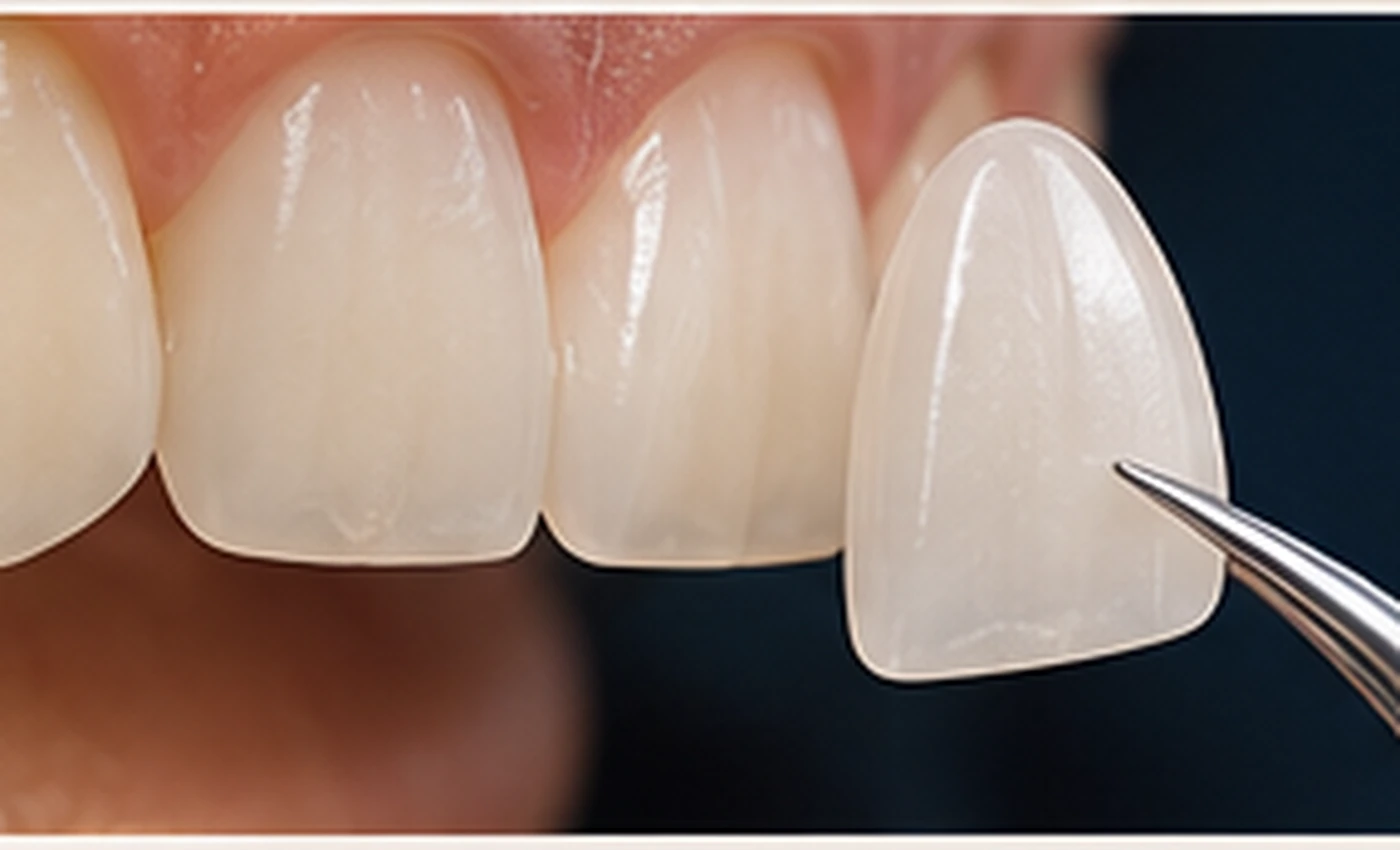
Understanding veneers
Veneers are thin restorations bonded to the visible surfaces of selected teeth. They may be considered for certain concerns involving shape, colour or form, but they are not suitable for every tooth or patient.
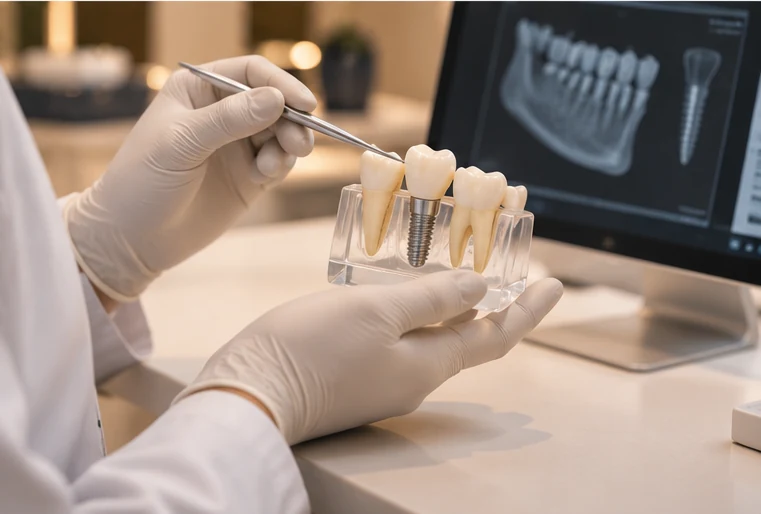
Aesthetic dentistry should balance appearance, function, oral health and preservation of natural tooth structure. The least invasive suitable option should be considered after assessment.


Veneers are thin restorations bonded to the visible surfaces of selected teeth. They may be considered for certain concerns involving shape, colour or form, but they are not suitable for every tooth or patient.

Assessment includes enamel and tooth structure, existing restorations, gum health, bite, clenching or grinding habits and expectations. Depending on the concern, alternatives may include orthodontics, whitening, additive bonding, contouring or other restorative treatment.

Some veneer procedures require removal of enamel, which may be irreversible. Risks can include sensitivity, chipping, debonding, colour mismatch, gum irritation and future repair or replacement. A clear discussion of alternatives is important.

Veneers do not make teeth immune to decay or gum disease. Good oral hygiene, regular examinations and management of grinding or bite-related risks may be required.
Some veneer approaches require permanent enamel removal and are not reversible. Ask what preparation is proposed and whether a more conservative option is suitable.
They serve different purposes and have different preparation, repair, longevity and cost considerations. The appropriate option depends on the tooth and the treatment objective.
No. Tooth structure, gum health, bite, restorations and habits influence suitability.
Contact DENZAL Dental Care for clinic information and appointment enquiries.