
DENZAL DENTAL CARE / JASOLA, NEW DELHI
DENZAL registered Dental Care logo
Clear aligner orthodontics

Invisalign® Clear Aligner Treatment in New Delhi

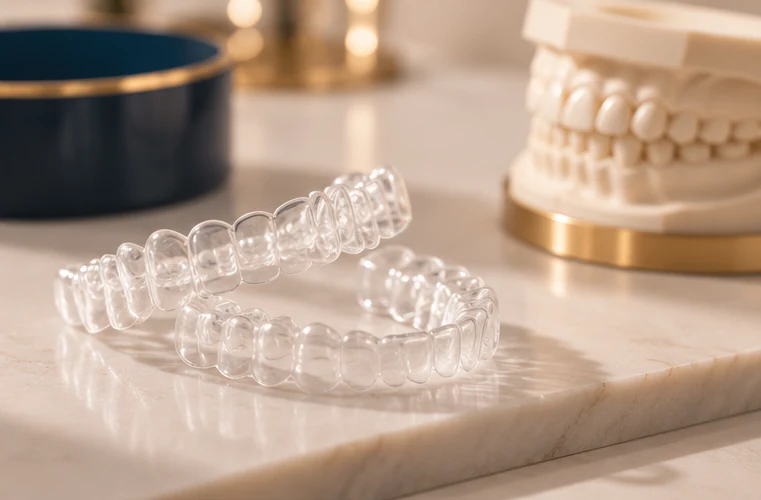
Invisalign® treatment uses a planned series of removable, custom-made clear aligners to move teeth in stages. At DENZAL Dental Care, treatment suitability is considered through an orthodontic examination of tooth position, bite, gum health, restorations, treatment objectives and the patient’s ability to follow the wear and review schedule. A digital simulation supports planning but does not guarantee a particular result.

Invisalign® Clear Aligner Treatment in New Delhi
What Invisalign® treatment is designed to do
Representative educational imagery
DENZAL · Clear aligner orthodontics

What Invisalign® treatment is designed to do

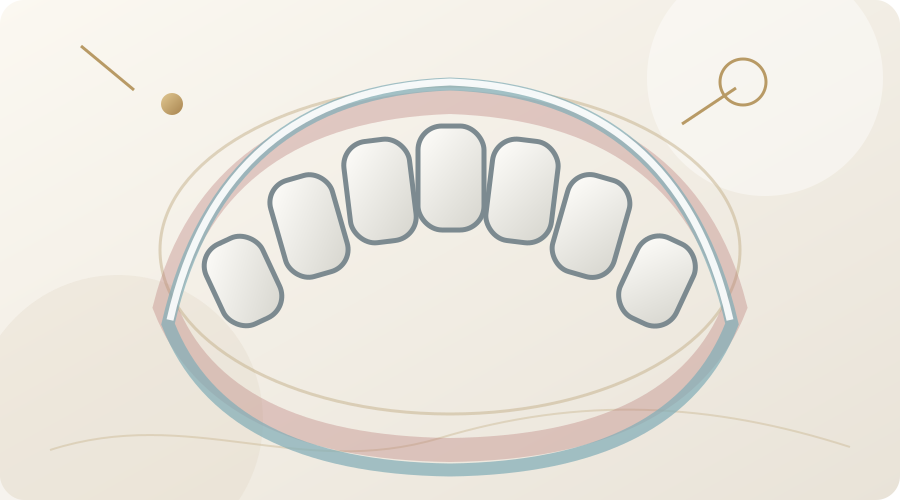
Clear aligners apply controlled forces through a sequence of removable trays. Depending on the diagnosis, aligner treatment may be considered for selected cases of crowding, spacing and certain bite relationships. The movements that can be achieved predictably vary by case. Some complex movements may require attachments, elastics, interproximal reduction, temporary anchorage or a different appliance strategy.
The orthodontic assessment before treatment
Representative educational imagery
DENZAL · Clear aligner orthodontics

The orthodontic assessment before treatment

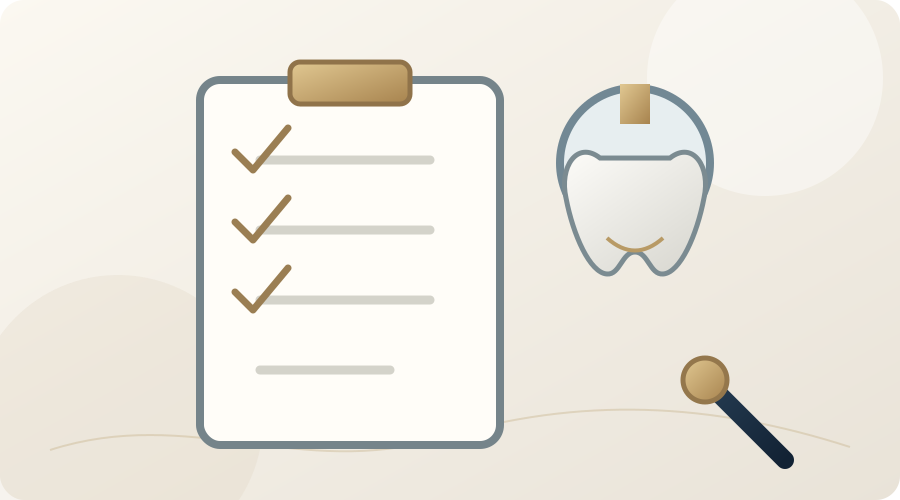
Assessment includes medical and dental history, facial and intraoral examination, periodontal health, tooth shape and restorations, missing teeth, bite relationships and the patient’s priorities. Photographs, digital scans or impressions and radiographs may be recommended when clinically indicated. Active gum disease, untreated decay or other oral-health concerns may need attention before tooth movement begins.

Digital records and treatment planning
Representative educational imagery
DENZAL · Clear aligner orthodontics

Digital records and treatment planning

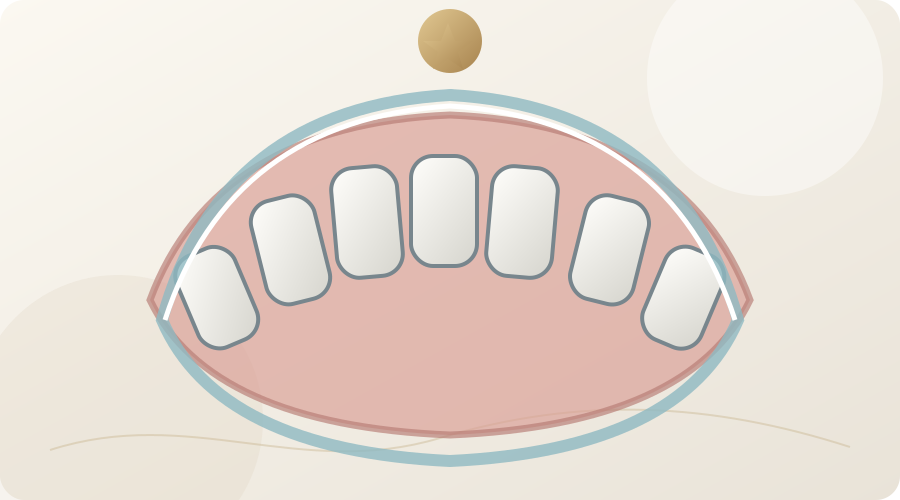
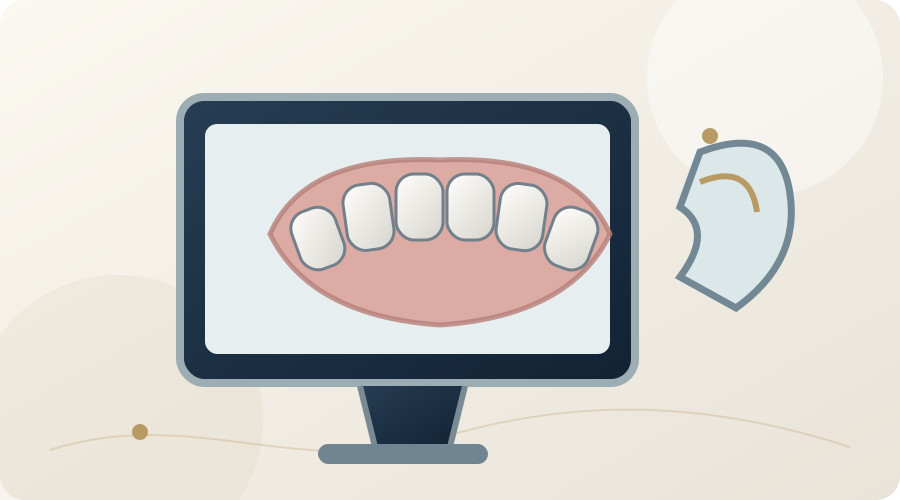
A digital scan and treatment setup can help visualise proposed stages of tooth movement. The treating clinician reviews the proposed movements, staging, anchorage, root control, bite changes and periodontal boundaries, and may request modifications. The simulation is a planning aid: biological response, aligner fit, wear consistency and clinical decisions during treatment influence the actual result.

Attachments, interproximal reduction and auxiliaries
Representative educational imagery
DENZAL · Clear aligner orthodontics

Attachments, interproximal reduction and auxiliaries

Some teeth may need small tooth-coloured composite attachments to help an aligner engage and deliver planned movements. Interproximal reduction (IPR) is a carefully measured reduction of a small amount of enamel between selected teeth when indicated to manage space or tooth-size relationships. Elastics, buttons or other auxiliaries may be recommended in selected cases. These steps are not required for every patient.

Daily wear, meals and oral hygiene
Representative educational imagery
DENZAL · Clear aligner orthodontics

Daily wear, meals and oral hygiene

Aligners are removable, but successful treatment depends on wearing them for the hours prescribed by the treating clinician. Many treatment plans require near full-time wear, commonly around 20–22 hours daily; the individual prescription takes priority. Remove aligners for meals and drinks other than water unless instructed otherwise. Brush and clean between teeth before reinserting them, clean the trays as advised and store them in their case when not in use.

Reviews, tracking and refinement stages
Representative educational imagery
DENZAL · Clear aligner orthodontics

Reviews, tracking and refinement stages

Review appointments allow the clinician to check aligner fit, tracking, tooth movement, gum health, bite and oral hygiene. If a tooth is not tracking as planned, the clinician may advise a pause, additional records, an adjustment to the plan, auxiliaries, refinement aligners or a different approach. Do not independently skip stages, extend or accelerate wear, or move to the next tray when one does not fit.

Who may not be suited to aligners
Representative educational imagery
DENZAL · Clear aligner orthodontics

Who may not be suited to aligners

Aligners are not automatically the best option for every orthodontic problem. Suitability depends on the movement required, skeletal and dental relationships, periodontal support, restorations, compliance and the need for precise control. Fixed braces or combined treatment may be more appropriate for some cases. A clinical examination is necessary before an opinion on suitability can be given.

Risks, limitations and retention
Representative educational imagery
DENZAL · Clear aligner orthodontics

Risks, limitations and retention

Orthodontic treatment can involve temporary discomfort, speech adaptation, soft-tissue irritation, enamel decalcification or caries where hygiene is poor, gingival inflammation, root resorption, changes in periodontal support, bite changes and relapse. Teeth may move again after active treatment. Retainers and periodic review are therefore an important part of the treatment plan.

Frequently asked questions

Can Invisalign® treat every bite problem?

No. Some cases can be managed with aligners alone or with auxiliaries; others are better treated with fixed appliances, combined mechanics or coordinated surgical care. Suitability depends on a full orthodontic diagnosis.

How many hours should I wear my aligners?

Wear time is prescribed for the individual case. Many plans require approximately 20–22 hours per day, but your clinician’s written instructions take priority.

Does the digital simulation show the guaranteed final result?

No. It illustrates a proposed plan. Actual tooth movement depends on biology, aligner fit, wear consistency and clinical monitoring.

Will I need attachments or IPR?

Possibly, but not in every case. The need for attachments, IPR or elastics depends on the movements required and should be explained before treatment.

Can I stop wearing aligners once my teeth look straight?

Do not stop without your clinician’s instruction. The bite, remaining planned movements and retention phase must be reviewed.

Will I need retainers?

Usually, some form of retention is recommended after orthodontic treatment. Your clinician will discuss the type, wear schedule and follow-up.

DENZAL · Patient information

Explore related treatment topics

DENZAL ·

Braces and fixed appliances

Compare fixed orthodontic treatment and its ongoing review requirements.

Explore page →
DENZAL ·

Children’s orthodontics

Learn when a child may need assessment or early treatment.

Explore page →
DENZAL ·

Adult orthodontics

Explore orthodontic planning for adult teeth and gums.

Explore page →

Questions about this treatment?

Contact DENZAL Dental Care for clinic information and appointment enquiries.

Contact the clinic →
Call clinicWhatsApp