DENZAL DENTAL CARE / JASOLA, NEW DELHI
DENZAL registered Dental Care logo
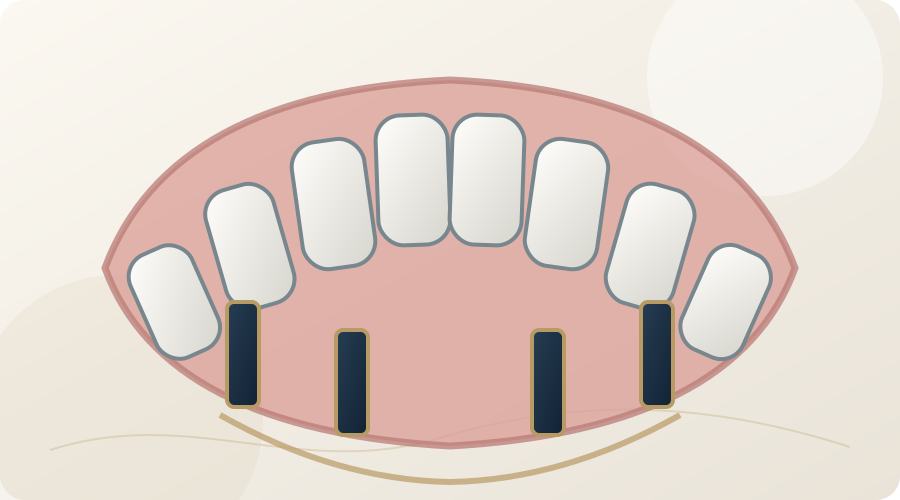
Full-arch implant-supported rehabilitation

Full-Mouth Dental Implants in New Delhi: Full-Arch Options

Full-mouth implant treatment may be considered for people who have lost all or most teeth in one or both jaws, or whose remaining teeth have a poor long-term prognosis. Treatment may involve fixed implant-supported bridges or removable implant-retained overdentures. The number and position of implants, the type of prosthesis and whether immediate provisional teeth are possible depend on anatomy, health, bite, restorative design and maintenance capacity.

Full-Mouth Dental Implants in New Delhi: Full-Arch Options
What full-arch implant treatment can involve
Representative educational imagery
DENZAL · Full-arch implant-supported rehabilitation

What full-arch implant treatment can involve

A full-arch restoration replaces the teeth in an upper or lower jaw. Some designs are fixed and are removed only by a clinician; others are removable by the patient and retained by implant attachments. One or both arches may be treated. The phrase “full-mouth implants” does not mean one implant for every missing tooth: implants are strategically planned to support a bridge or denture.
Fixed full-arch bridge or implant-retained overdenture
Representative educational imagery
DENZAL · Full-arch implant-supported rehabilitation

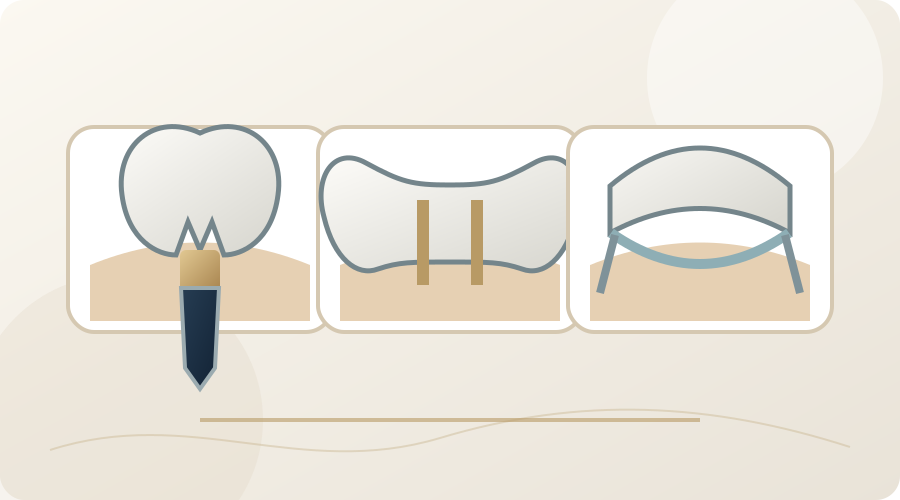
Fixed full-arch bridge or implant-retained overdenture

A fixed full-arch bridge is designed to remain in place during normal use and requires professional removal for certain maintenance. An overdenture is removable for daily cleaning and may be supported or retained by implants. The options differ in stability, cleaning access, tissue support, cost, repair needs and patient dexterity. The most suitable design depends on the patient’s anatomy and priorities.

Assessment before deciding on a full-arch plan
Representative educational imagery
DENZAL · Full-arch implant-supported rehabilitation

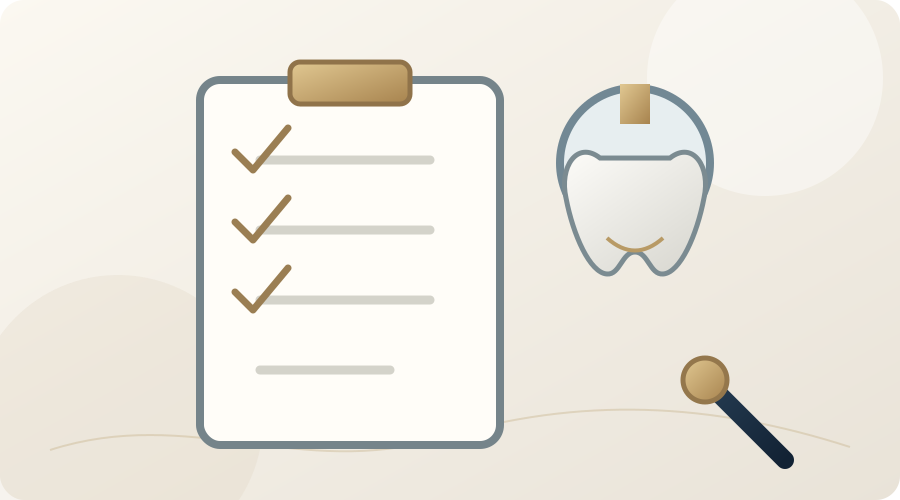
Assessment before deciding on a full-arch plan

Assessment includes medical and dental history, remaining teeth, gum health, bone volume and anatomy, jaw relationship, bite, lip support, smile line, speaking and chewing needs, oral hygiene and manual dexterity. Imaging and restorative records help plan implant positions and prosthesis design. If remaining teeth have uncertain prognosis, their condition and alternatives should be discussed before extraction decisions are made.

Planning implant number, position and the final prosthesis
Representative educational imagery
DENZAL · Full-arch implant-supported rehabilitation

Planning implant number, position and the final prosthesis

The final tooth setup should guide implant distribution and restorative design. The clinician considers available bone, anatomical structures, implant spread, prosthetic space, cantilever length, bite forces, opposing dentition, cleansability and material choices. Grafting may be recommended in some cases; in others, a different prosthesis or staged approach may be more appropriate.

Surgery, temporary teeth and healing
Representative educational imagery
DENZAL · Full-arch implant-supported rehabilitation

Surgery, temporary teeth and healing

Treatment may include extractions, implant placement and bone or soft-tissue procedures. A temporary fixed prosthesis may be connected early only when primary stability, distribution, occlusion, patient health and prosthetic design support the protocol. Otherwise, the implants may heal without functional loading and a temporary removable prosthesis may be used. Same-day temporary teeth are not guaranteed.

Definitive prosthesis and adaptation
Representative educational imagery
DENZAL · Full-arch implant-supported rehabilitation

Definitive prosthesis and adaptation

After healing and review, the definitive prosthesis is made and adjusted for fit, speech, bite, appearance and hygiene access. Patients may need time to adapt to changes in speaking and chewing. Review appointments allow the clinician to check the prosthesis, screws or attachments, soft tissues and bite. Repair or replacement of prosthetic parts may be required over time.

Risks, limitations and alternatives
Representative educational imagery
DENZAL · Full-arch implant-supported rehabilitation

Risks, limitations and alternatives

Complex full-arch treatment may involve surgical, biological and mechanical risks, including infection, failure of integration, nerve or sinus complications, graft complications, peri-implant disease, prosthesis fracture, screw loosening, hygiene difficulty and changes in speech or comfort. Alternatives may include conventional complete dentures, implant-retained overdentures, staged treatment or keeping selected teeth where their prognosis is acceptable.

Cleaning and long-term maintenance
Representative educational imagery
DENZAL · Full-arch implant-supported rehabilitation

Cleaning and long-term maintenance

Implant-supported teeth are not maintenance-free. The patient needs a daily cleaning routine tailored to the prosthesis, including access beneath a fixed bridge and around attachments. Professional maintenance checks the implant tissues, prosthesis, screws or clips, bite and hygiene. Smoking, poor plaque control and a history of periodontal disease can increase risk. Long-term maintenance is part of the treatment commitment.

Frequently asked questions

How many implants are needed for a full arch?

There is no single number for every patient. Implant number and distribution depend on the jaw, available bone, prosthesis design, bite, anatomy and the chosen treatment protocol.

Will I receive fixed teeth on the same day?

A temporary fixed prosthesis may be possible in carefully selected cases, but it cannot be promised before assessment. Some patients need a healing period or a removable provisional option.

Are full-mouth implants permanent?

Implants and prostheses can function for many years, but they are not maintenance-free or guaranteed for life. Components may need repair or replacement, and gum and bone health require regular monitoring.

Can I choose removable teeth instead of fixed teeth?

In some cases, an implant-retained overdenture is a reasonable alternative to a fixed bridge. The differences in cleaning, stability, tissue support and maintenance should be discussed.

Can full-mouth treatment be completed in one visit?

The treatment may involve several stages and healing intervals. The timeline depends on extractions, bone conditions, implant stability, temporary prosthesis requirements and final restoration.

DENZAL · Patient information

Explore related treatment topics

DENZAL ·

Dental implant overview

Review implant assessment and treatment planning.

Explore page →
DENZAL ·

Single-tooth implants

Explore replacement of one missing tooth.

Explore page →
DENZAL ·

Implant treatment stages

Understand surgery, healing, restoration and maintenance.

Explore page →

Questions about this treatment?

Contact DENZAL Dental Care for clinic information and appointment enquiries.

Contact the clinic →
Call clinicWhatsApp